








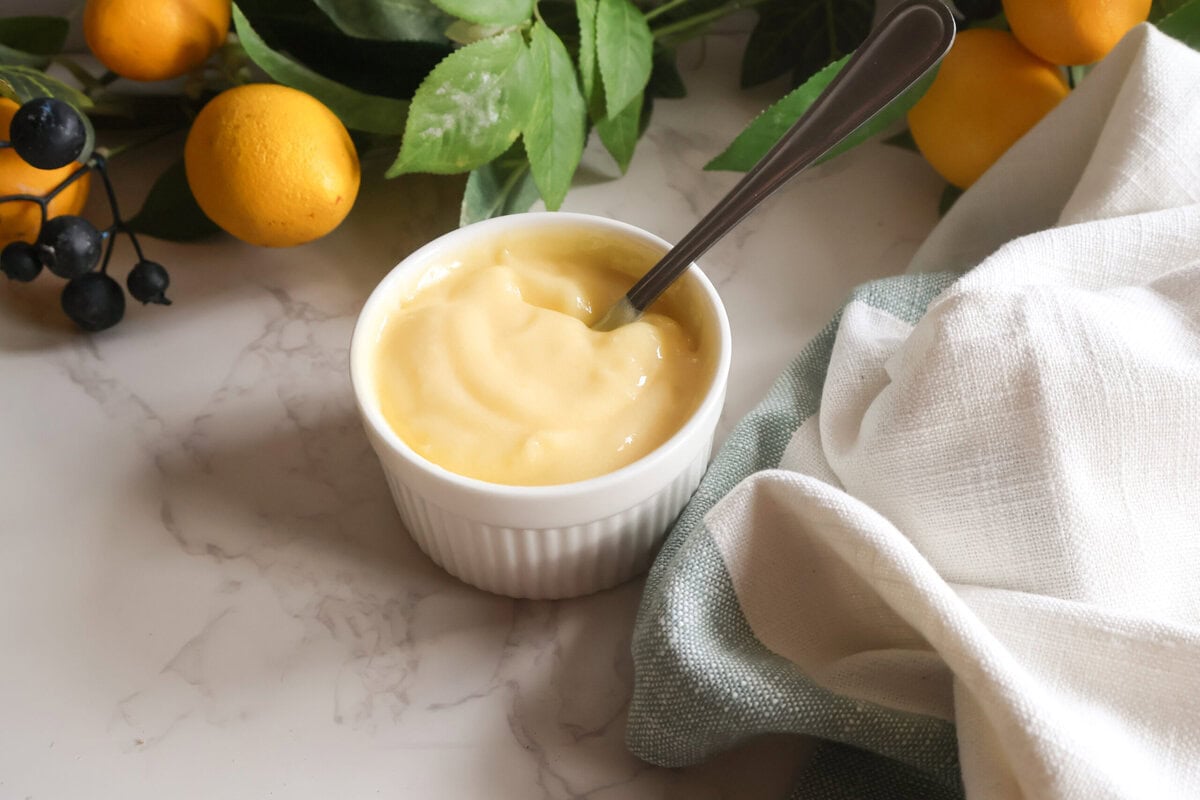
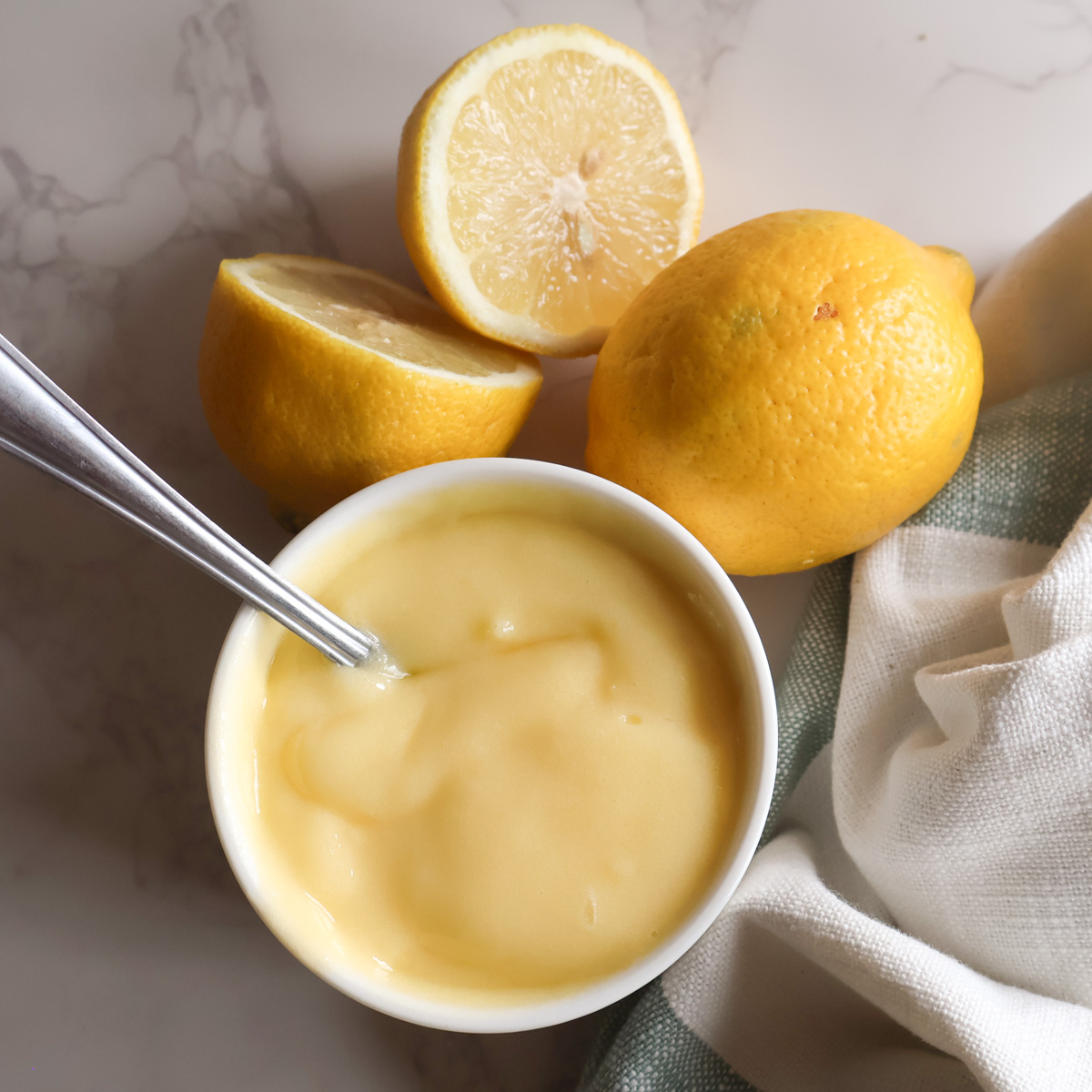
When I was studying at Auguste Escoffier School of Culinary Arts, Homemade lemon curd was one of those recipes that sounded a little intimidating at first. I imagined it being complicated and something only fancy bakeries could pull off perfectly. But once I actually made it, I was shocked at how simple it really was. With just a handful of basic ingredients and a little patience, it turned into the smoothest, brightest, most delicious lemon curd. I knew right away this was a recipe I had to share with you because it feels fancy without being difficult, and those are always my favorite kinds of recipes. 🍋
💕 Why You’ll Love This Recipe
- Smooth, rich, and creamy texture
- Perfect balance of sweet and tangy
- Great for cakes, pastries, toast, and desserts
- Easy to make with simple ingredients
- Stores beautifully in the fridge
If you love this recipe you'll also need to try my Blueberry Banana Oat Muffins and Birthday Waffles
Ingredients:
Jump to:
Instructions:
- In a medium saucepan, add 1–2 inches of water and bring to a gentle simmer over medium heat.
- In a large heat-safe metal or glass bowl, whisk together the egg, egg yolks, and sugar until smooth.
- Stir in the lemon juice and lemon zest.
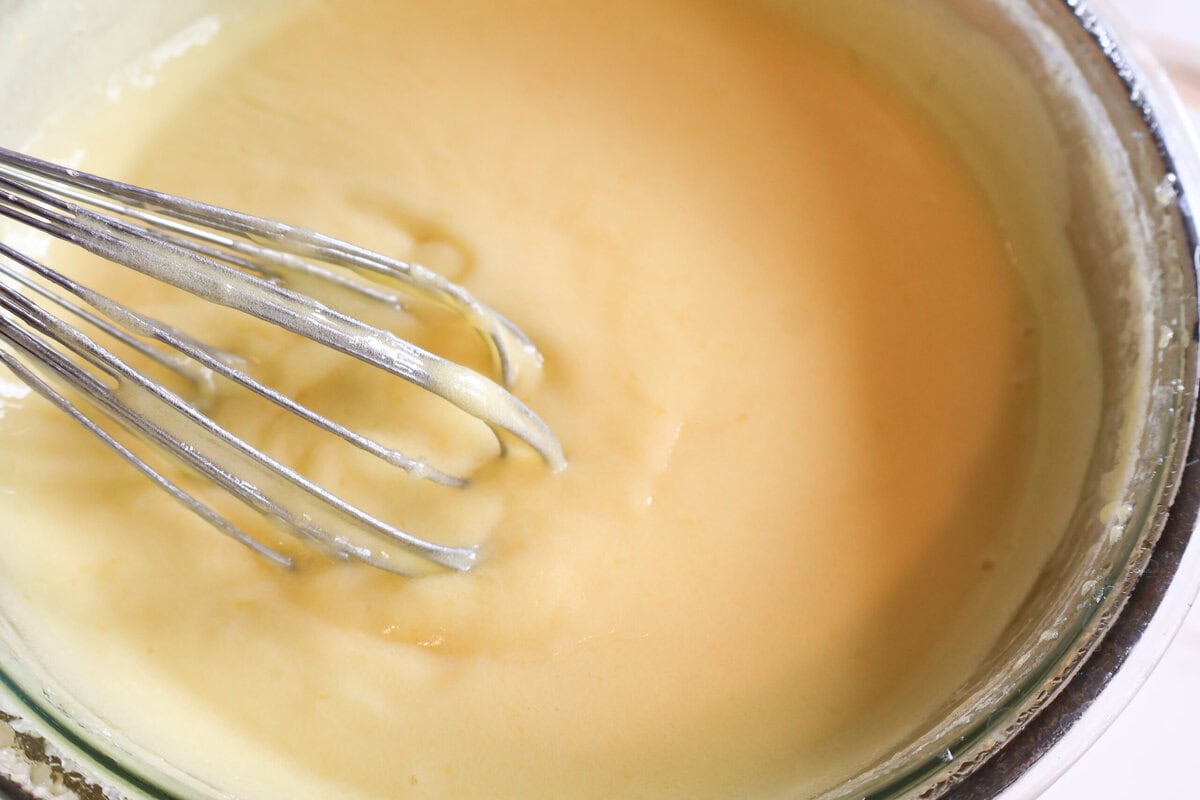
3. Place the bowl over the saucepan, making sure the bottom of the bowl does not touch the simmering water.
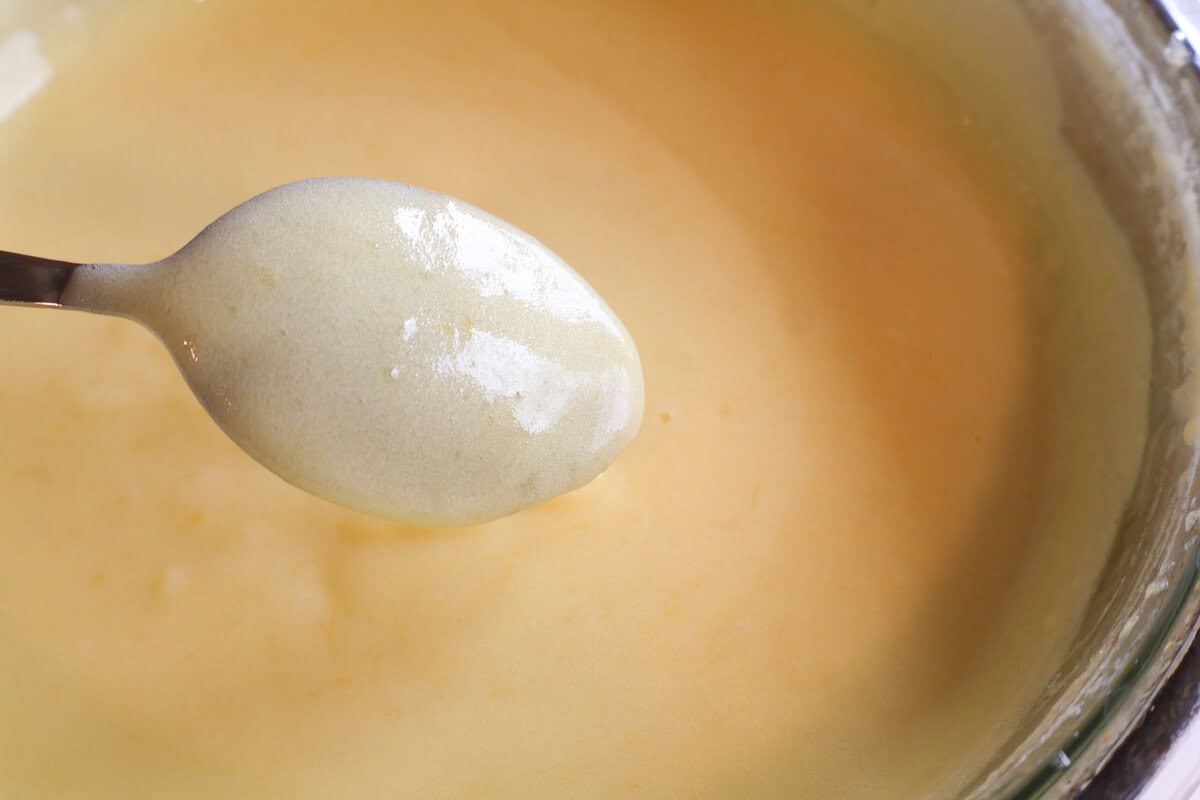
4. Cook while stirring constantly until the mixture thickens enough to coat the back of a spoon and reaches about 180°.
5. Remove from the heat and strain the lemon curd into a clean container to remove any bits of cooked egg or zest for an extra smooth texture.
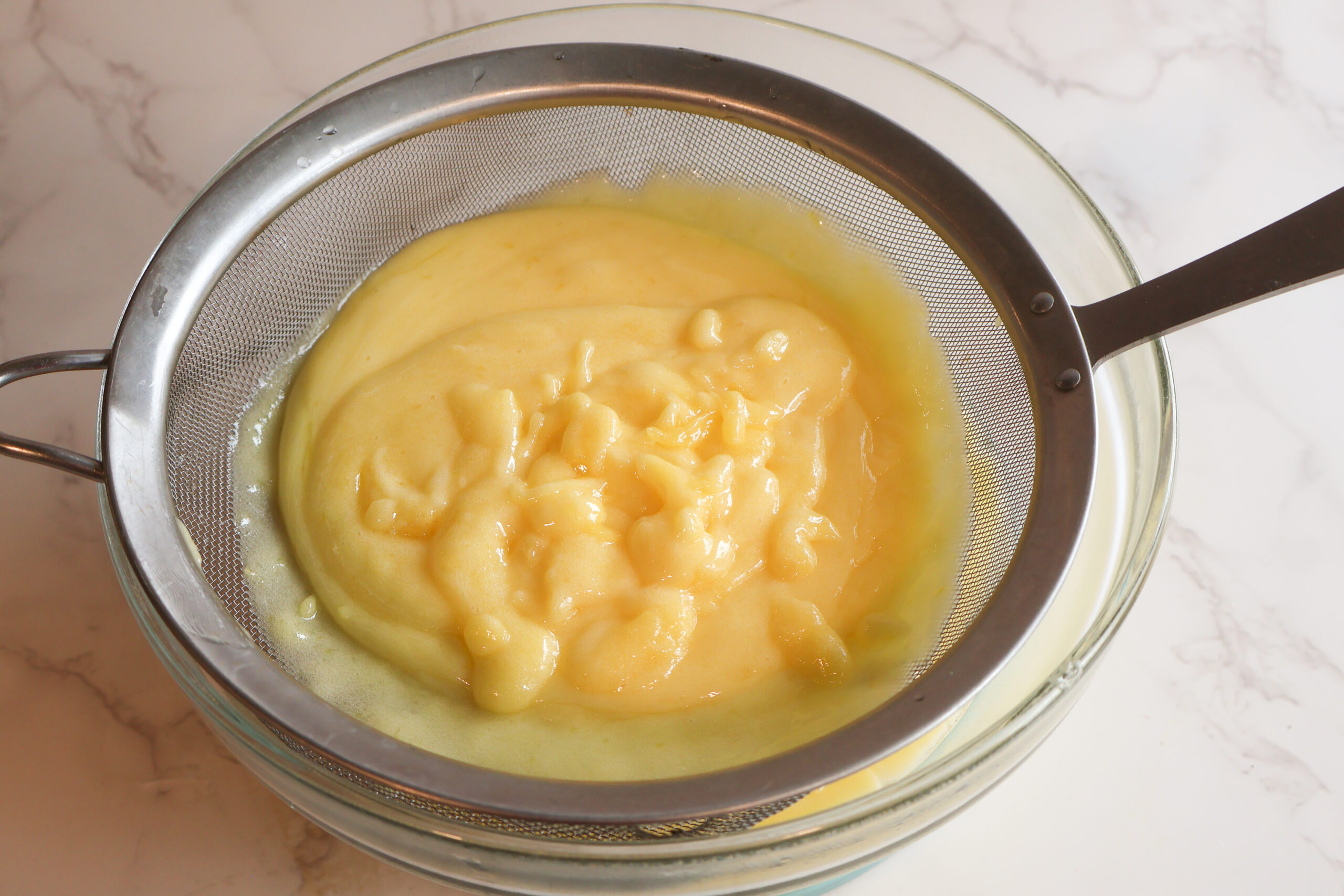
6. Add the butter and whisk until completely melted and smooth.
7. Set the container in an ice water bath and stir occasionally until cooled.
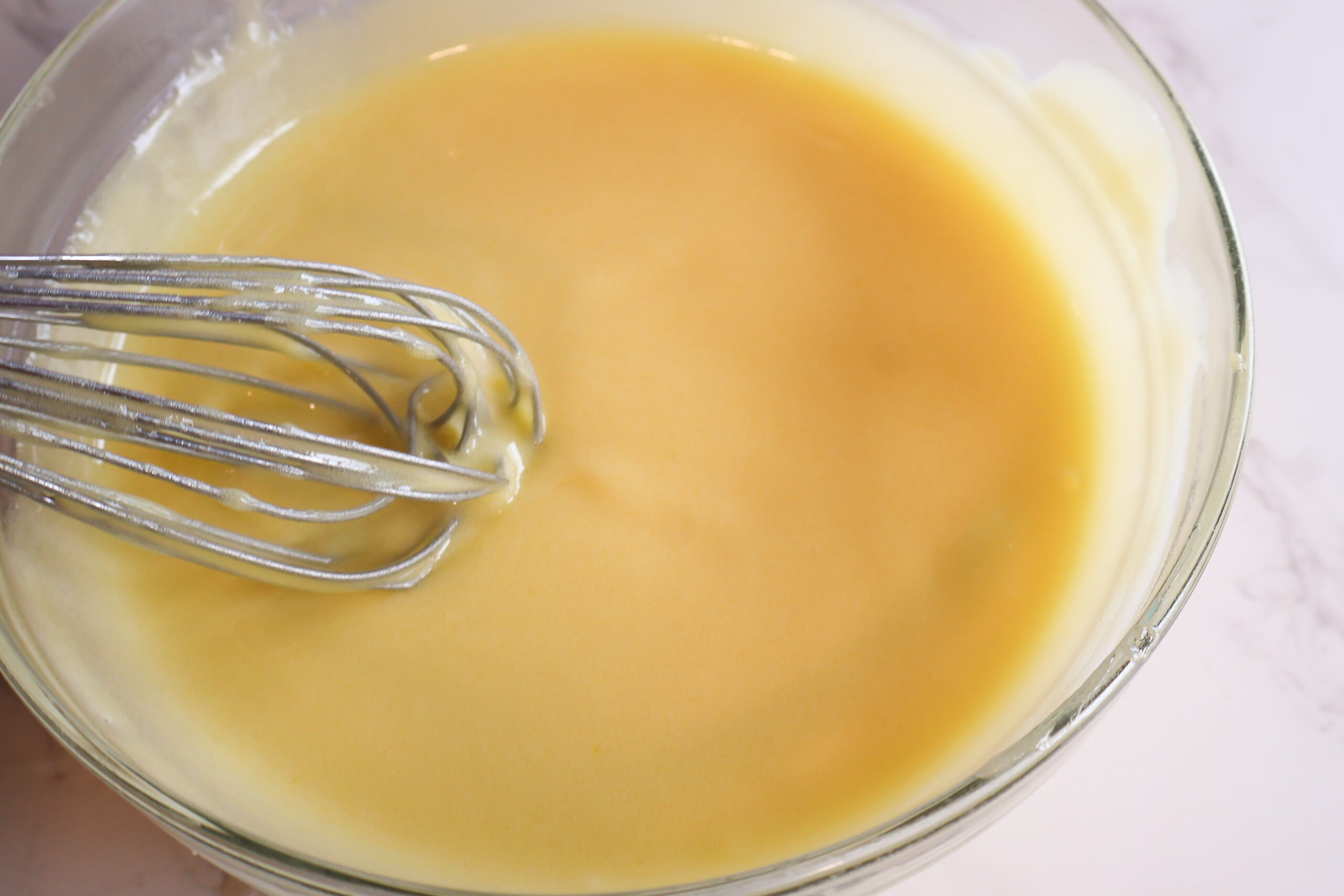
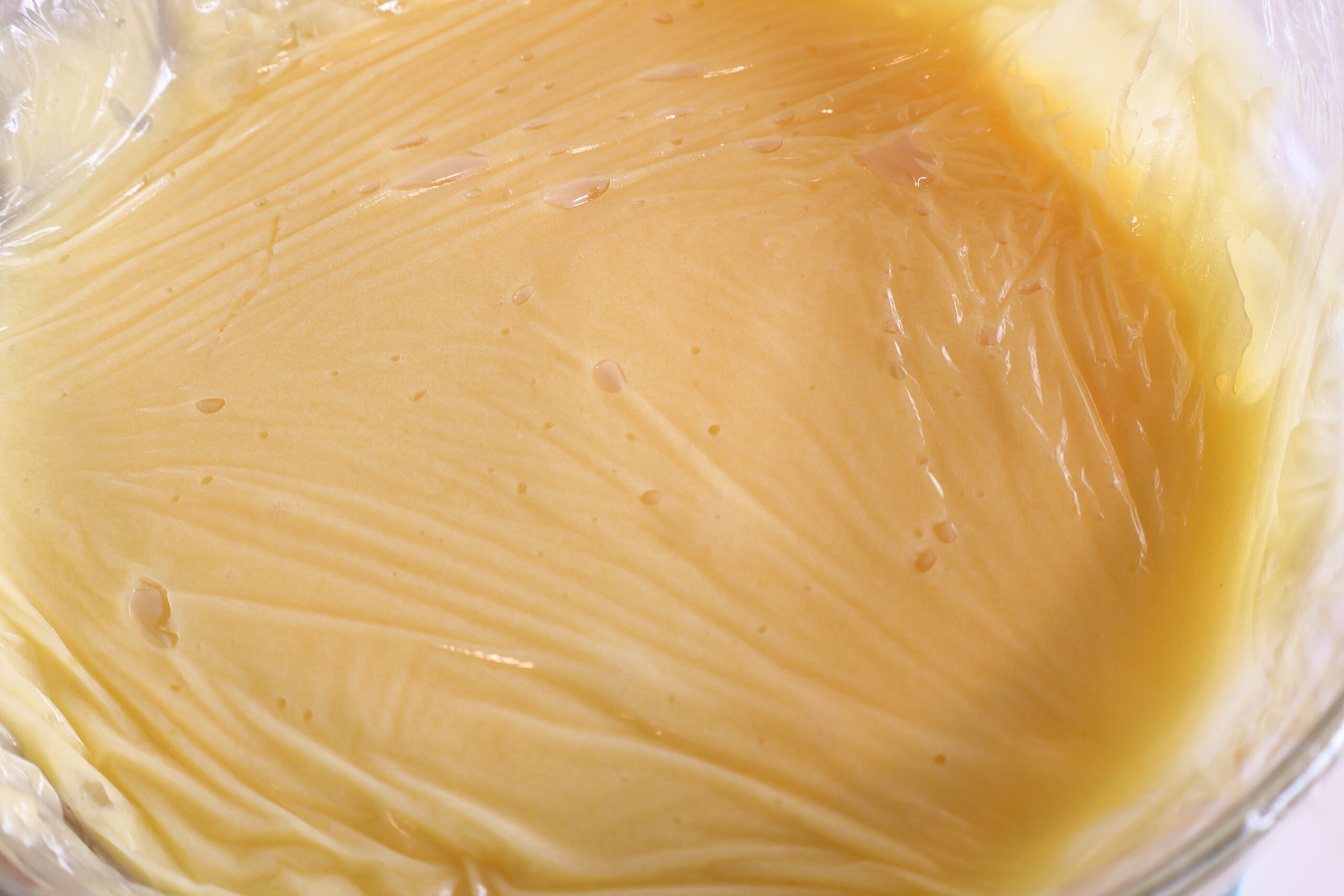
8. Cover with plastic wrap, pressing the plastic wrap directly onto the surface of the curd to prevent a skin from forming.
9. Refrigerate for at least 1 hour or overnight before serving.
Helpful Tips and Tricks:
- Fresh lemon juice gives the best flavor.
- Stir constantly while cooking to prevent scrambled eggs.
- Straining the curd makes it extra silky smooth.
- The curd will continue to thicken as it chills.
Make Ahead Tips:
Lemon curd is one of my favorite make-ahead recipes because the flavor actually gets even better after it has time to chill!
- Make the lemon curd up to 1 week in advance and store it in an airtight container in the refrigerator.
- For the smoothest texture, place plastic wrap directly on the surface of the curd before chilling to prevent a skin from forming.
- If using for cakes, cupcakes, tarts, or pastries, prepare the curd 1–2 days ahead so it has plenty of time to thicken.
- Lemon curd can be frozen for up to 3 months. Thaw overnight in the refrigerator before using.
- Give the curd a quick stir after thawing or chilling for the best creamy consistency.
🍋 Becky's Tip: I often make lemon curd the night before I need it. By the next day it's perfectly chilled, thickened, and ready to use in desserts, breakfast treats, or straight from the spoon! 🍋
✨
FAQ's:
Can I make lemon curd without a double boiler?
Yes! If you don't have a double boiler, simply place a heat-safe glass or metal bowl over a saucepan with simmering water. Just make sure the bottom of the bowl doesn't touch the water.
Why is my lemon curd foamy on top?
Foam usually develops from vigorous whisking during cooking. It won't affect the flavor, but for the smoothest presentation, let the curd sit for a few minutes after cooking or skim off the foam before chilling.
Can I use Meyer lemons instead of regular lemons?
Absolutely! Meyer lemons produce a sweeter, less tart curd with a slightly floral flavor. You may even find you can reduce the sugar slightly to suit your taste.
How much lemon curd does this recipe make?
This recipe yields approximately 1 to 1¼ cups of lemon curd, depending on how much it reduces during cooking. That's enough to fill a tart, top several desserts, or enjoy throughout the week.
Can I use lemon curd as a filling for thumbprint cookies or sandwich cookies?
Yes! Lemon curd makes a wonderful cookie filling. For the best results, fill cookies shortly before serving and keep them refrigerated if they will be sitting out for an extended period.
What desserts pair especially well with lemon curd?
Lemon curd is fantastic with vanilla cake, pound cake, angel food cake, cheesecake, shortbread cookies, blueberry muffins, scones, and fresh berries. The bright citrus flavor balances rich desserts beautifully and adds a burst of sunshine to almost any sweet treat.
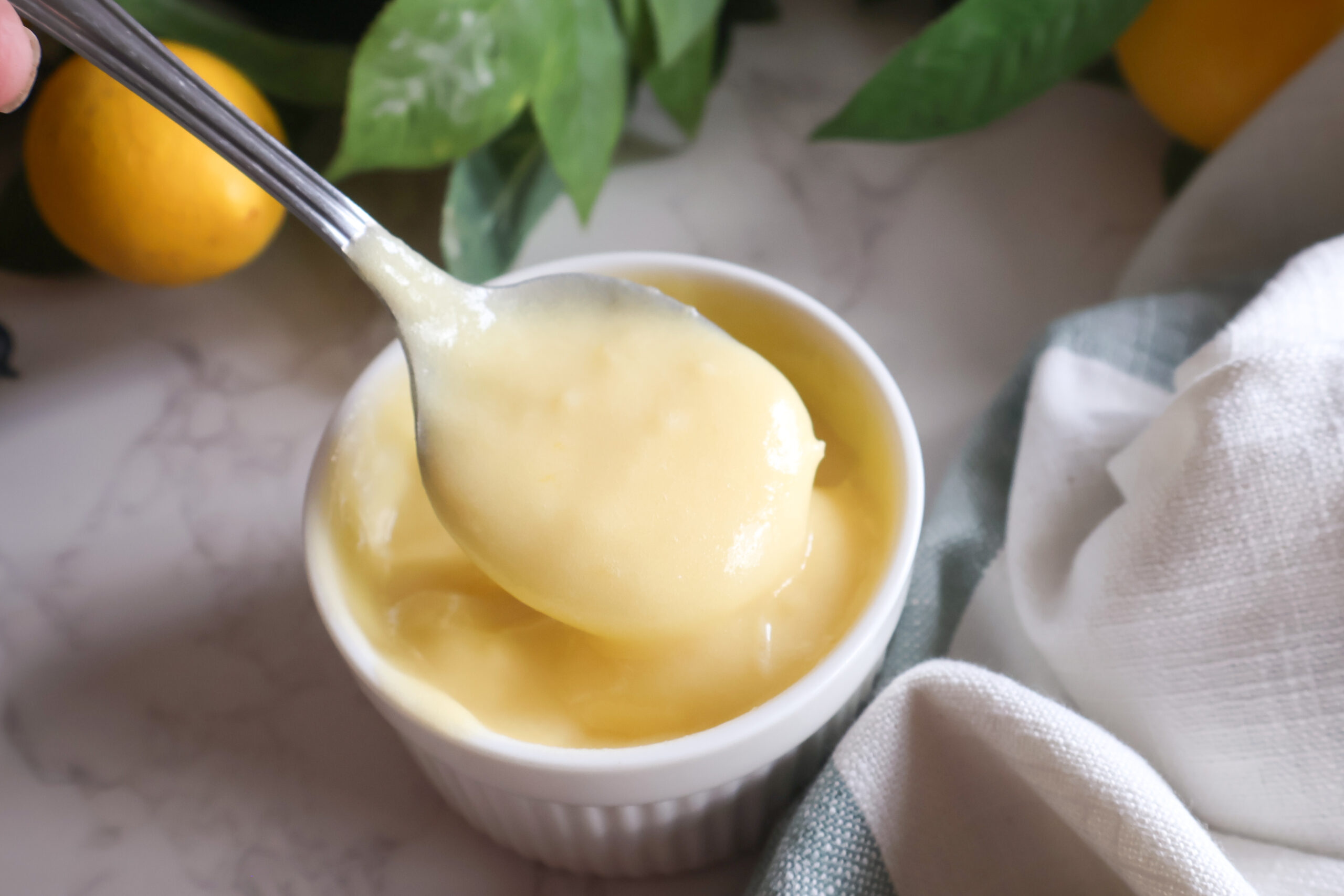
🍋 What are some fun ways to use lemon curd?
💕 Besides cakes and scones, try:
🍋 Adding a spoonful to plain yogurt
🍋 Stirring it into oatmeal
🍋 Swirling it into cheesecake batter
🍋 Mixing it into whipped cream
🍋 Layering it in parfaits
🍋 Spreading it on pancakes or waffles
🍋 Filling crepes
Recent Recipes:

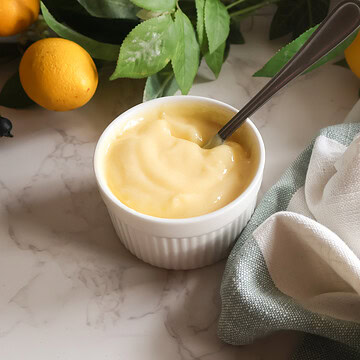
Homemade Lemon Curd
Equipment
- medium saucepan For creating a gentle simmering water bath.
- Heat-safe glass or metal mixing bowl Used to cook the curd over the simmering water.
- Whisk Essential for keeping the curd smooth and preventing lumps.
- fine mesh strainer Helps create an ultra-silky, professional-quality texture.
- Instant-read thermometer Helpful for checking when the curd reaches 180°F, though it's optional
- rubber spatula Great for scraping every bit of lemon curd from the bowl and strainer.
- Airtight container or glass jar For storing the finished lemon curd.
- Large bowl for an ice bath Helps cool the curd quickly and safely.
Ingredients
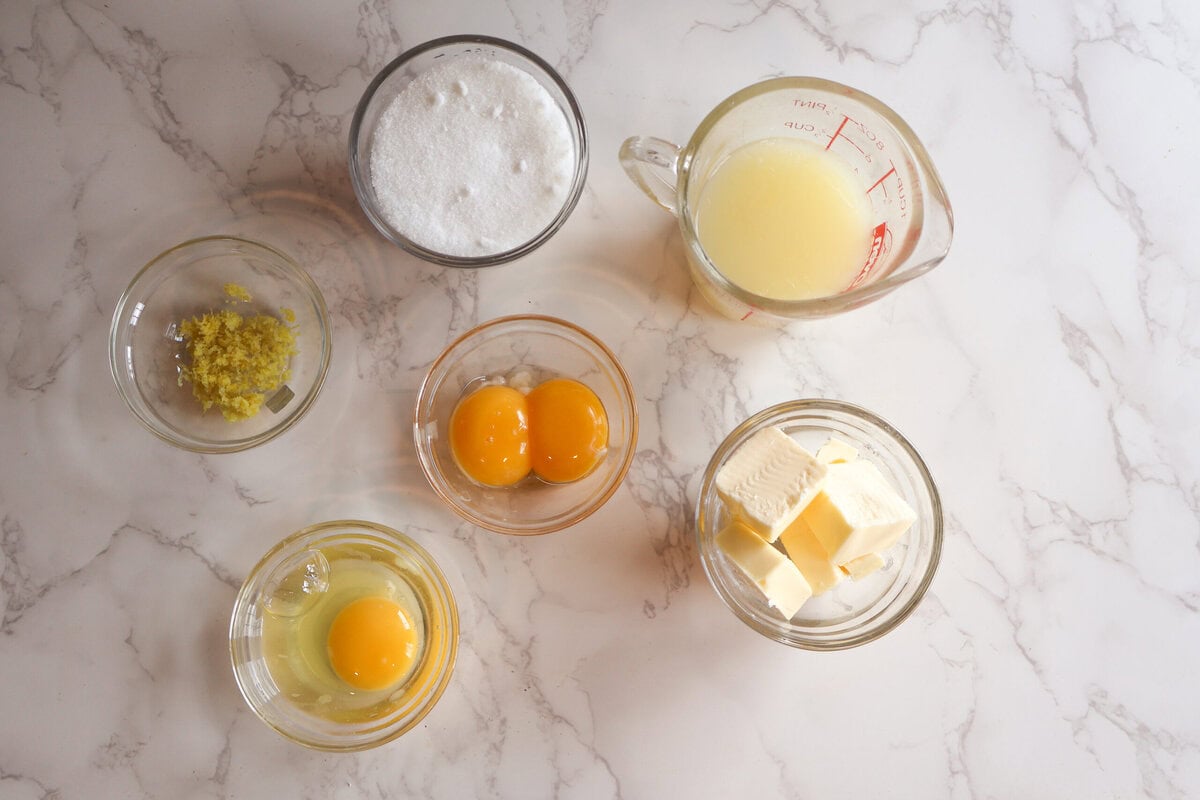
- ⅔ cup granulated sugar
- ½ cup lemon juice
- 1 large egg
- 2 egg yolks
- 1 teaspoon lemon zest
- 6 tablespoon unsalted butter
Instructions
- In a medium saucepan, add 1–2 inches of water and bring to a gentle simmer over medium heat.
- In a large heat-safe metal or glass bowl, whisk together the egg, egg yolks, and sugar until smooth.
- Stir in the lemon juice and lemon zest.
- Place the bowl over the saucepan, making sure the bottom of the bowl does not touch the simmering water.
- Cook while stirring constantly until the mixture thickens enough to coat the back of a spoon and reaches about 180°F.
- Remove from the heat and strain the lemon curd into a clean container to remove any bits of cooked egg or zest for an extra smooth texture.
- Add the butter and whisk until completely melted and smooth.
- Set the container in an ice water bath and stir occasionally until cooled.
- Cover with plastic wrap, pressing the plastic wrap directly onto the surface of the curd to prevent a skin from forming.
- Refrigerate for at least 1 hour or overnight before serving.
Notes
The acidity from the lemon juice can react with aluminum and create a metallic taste. Stainless steel, glass, or heat-safe ceramic are the best choices. 🍋 Save your strained lemon zest.
After straining, the flavorful zest can be stirred into muffin batter, quick breads, or sugar for an extra pop of lemon flavor. 🍋 A cold spoon test is surprisingly helpful.
Keep a spoon in the freezer while making the curd. Place a small amount on the cold spoon to get a preview of how thick the curd will be once chilled.